Luma Launches Creative AI Agents Built on Unified Intelligence
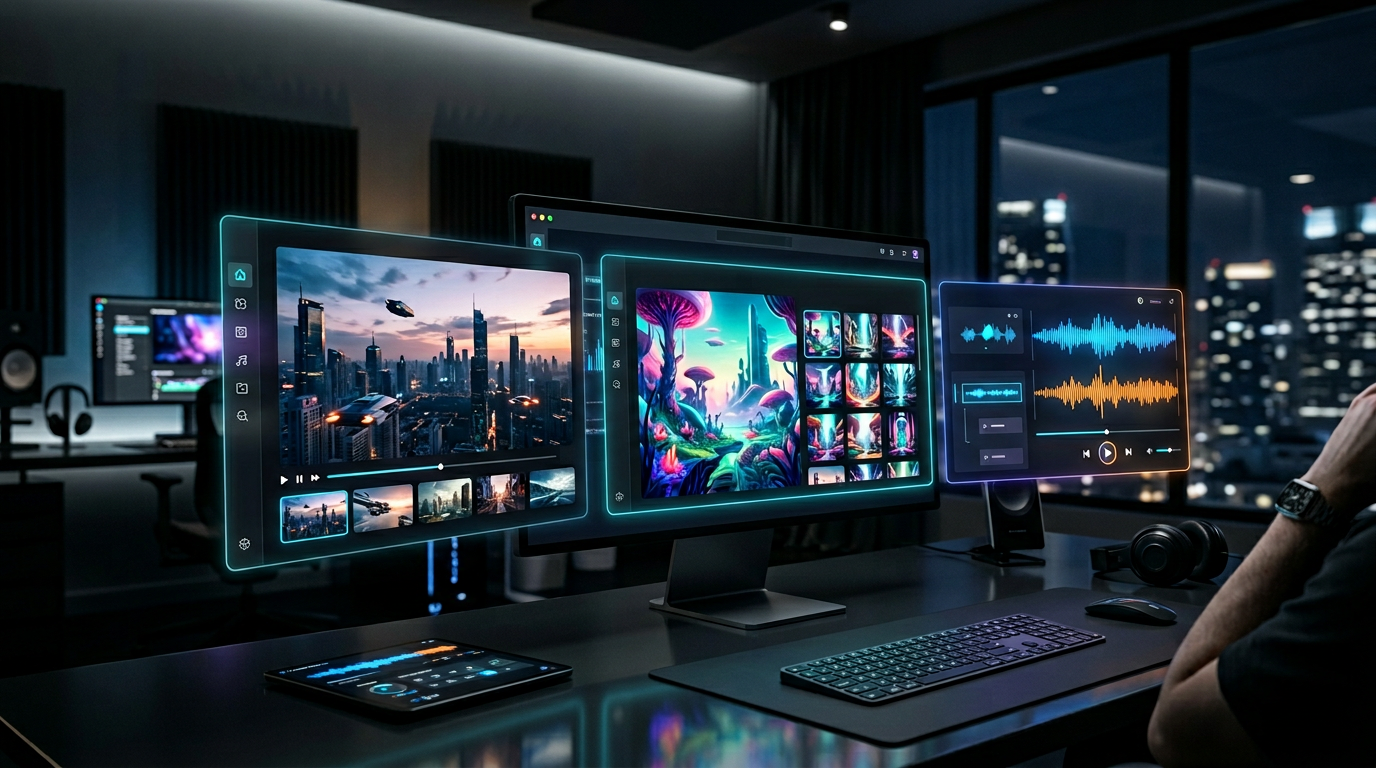
Luma has launched Luma Agents, a new product aimed at end-to-end creative work across text, image, video, and audio. The company is pitching the launch as more than another AI model release. Its core message is that users should not have to manually stitch together a long chain of separate tools every time they want to build a creative workflow.
What Luma is actually launching
According to the announcement, Luma Agents are powered by the company’s new Unified Intelligence model family, beginning with a system called Uni-1. The key idea is that the model is trained as a multimodal reasoning system rather than as a single-purpose generator.
In practical terms, Luma says the agents can:
- plan creative work across multiple formats
- generate text, images, video, and audio
- preserve context across revisions
- coordinate with outside models and tools when needed
That last point is important because the current AI market often forces users to hop between one model for images, another for video, and another for voice. Luma is clearly trying to sell a more unified workflow.
Why this launch stands out
Many AI releases promise better outputs. Luma’s pitch is slightly different. It is trying to reduce the amount of manual orchestration required by creative teams.
That matters because the real friction in AI-assisted design is often not the first draft. It is everything that happens after the first draft:
- iterating assets
- keeping brand direction consistent
- localizing campaigns
- moving from idea to approved deliverable without losing context
Luma says its agents can maintain persistent context and improve outputs through iterative self-evaluation. If that works reliably, it could appeal to agencies and in-house creative teams more than hobby users.
The enterprise angle is doing a lot of work here
Luma also pointed to existing rollout activity with ad agencies and brands, including major names in marketing and consumer products. That gives the launch more weight than a pure research demo.
The strongest search takeaway is this: Luma is trying to position itself as workflow infrastructure, not just an image or video generator.
What to watch next
The next phase will likely be judged on three things:
- Whether output quality stays high across multiple media types
- Whether creative teams actually save time after the novelty wears off
- Whether customers trust one platform to manage more of the full production chain
The AI market is full of launches that look impressive in short demos. Luma’s challenge now is proving that an agent-driven creative stack can hold up in real campaigns, under real deadlines, with fewer manual handoffs than the tools people already use.
More from the Blog
18+ only. Gamble responsibly. Bonuses vary by region and site terms. Always check the official website for the most current terms and conditions. This page may contain affiliate links.